
Introduction
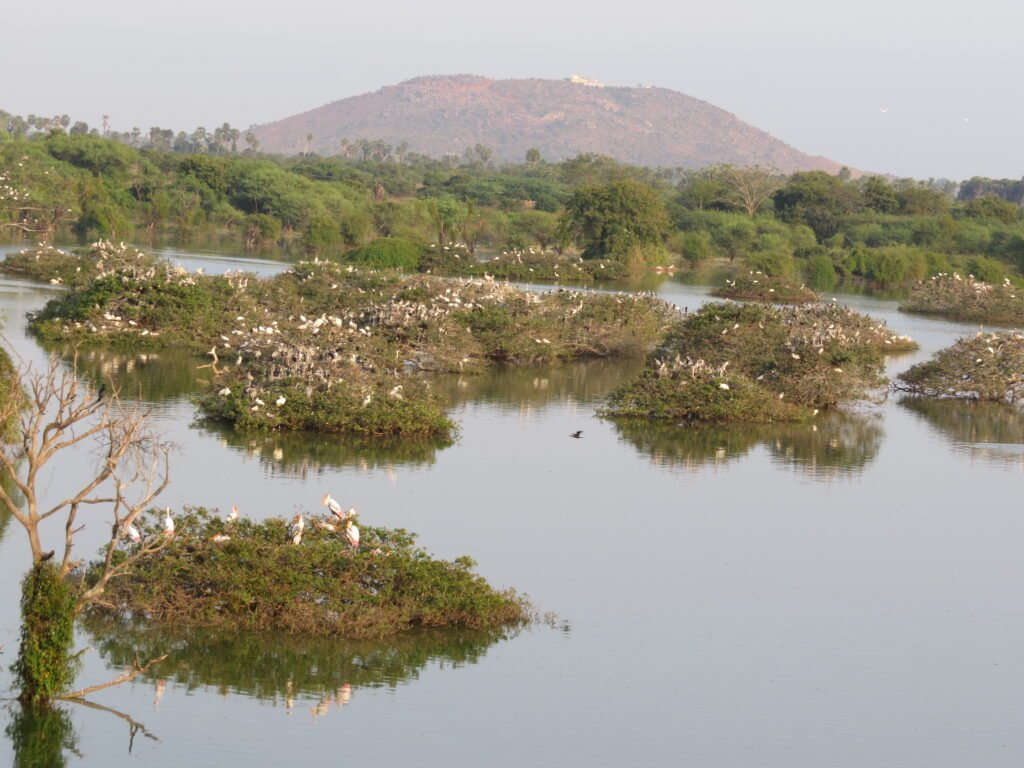
Vedanthangal Bird Sanctuary is one of India’s oldest and most celebrated bird sanctuaries. Located in the Chengalpattu district of Tamil Nadu, about 75 kilometers from Chennai, this protected wetland attracts thousands of resident and migratory birds every year. Its tranquil lake, surrounded by trees and wetlands, provides an ideal habitat for nesting, breeding, and feeding.
For birdwatchers, photographers, and nature enthusiasts, Vedanthangal is one of the best places in South India to observe large colonies of waterbirds in their natural environment.
Where Is Vedanthangal Bird Sanctuary Located?
Vedanthangal Bird Sanctuary is situated in the Chengalpattu district of Tamil Nadu, India. The sanctuary covers approximately 30 hectares (74 acres) and is centered around a large irrigation tank that supports a rich ecosystem.
The sanctuary is easily accessible by road from Chennai, making it a popular destination for day trips and weekend wildlife excursions.
History of Vedanthangal Bird Sanctuary
Vedanthangal has a remarkable conservation history dating back more than 200 years. Local villagers recognized that bird droppings enriched the surrounding agricultural fields and began protecting the birds from hunting and disturbance.
The area was officially declared a protected sanctuary in the 1930s, making it one of the oldest bird sanctuaries in India. Today, it remains an important example of community-driven conservation.
Why Is Vedanthangal Bird Sanctuary Important?
The sanctuary serves as a critical breeding and nesting ground for numerous bird species. Its freshwater lake and surrounding vegetation provide abundant food and shelter.
Key ecological benefits include:
- Supporting migratory bird populations
- Providing breeding habitats for waterbirds
- Conserving wetland ecosystems
- Promoting biodiversity
- Supporting environmental education and ecotourism
Migratory Birds Found in Vedanthangal
Thousands of migratory birds visit the sanctuary each year, especially during the winter months.
1. Painted Stork
The Painted Stork is one of the most recognizable birds in Vedanthangal. It is known for its striking pink feathers and long yellow bill.
2. Spot-billed Pelican
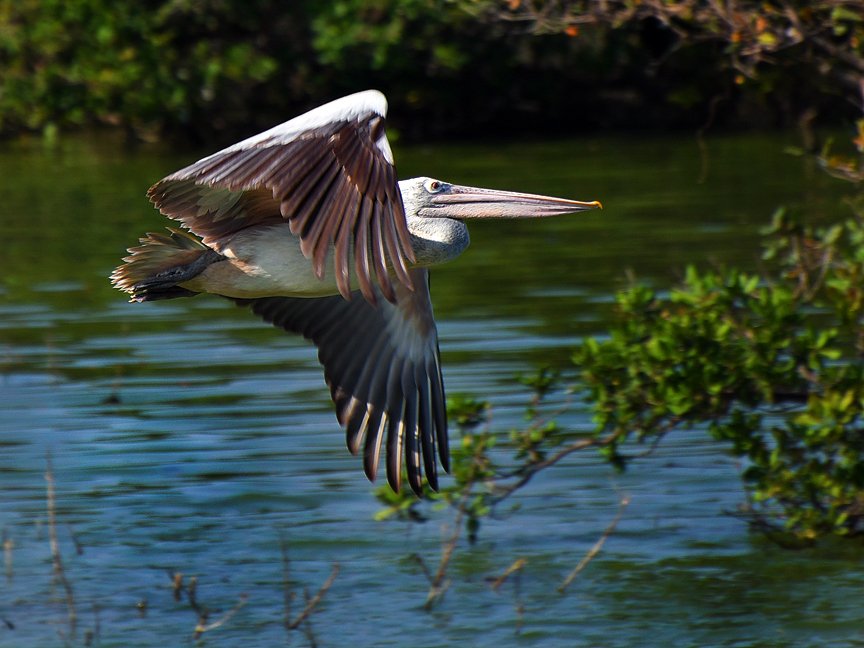
The Spot-billed Pelican is a large waterbird that nests in colonies around the sanctuary’s trees.
3. Asian Openbill Stork
This stork is easily identified by the gap between its upper and lower mandibles, which helps it feed on snails.
4. Eurasian Spoonbill
The Spoonbill uses its distinctive spoon-shaped bill to sweep through shallow water in search of food.
5. Grey Heron
Grey Herons are tall wading birds commonly seen hunting fish along the water’s edge.
6. Black-headed Ibis
This elegant bird is frequently observed feeding in the wetlands surrounding the lake.
Resident Birds of Vedanthangal
Not all birds in the sanctuary are migrants. Several species live in the area year-round, including:
- Little Cormorant
- Indian Pond Heron
- Little Egret
- Cattle Egret
- Night Heron
- Purple Heron
- Moorhen
These resident birds contribute to the sanctuary’s biodiversity throughout the year.
Best Time to Visit Vedanthangal Bird Sanctuary
The ideal time to visit is between November and February, when migratory bird populations reach their peak.
Seasonal Highlights
| Season | Bird Activity |
|---|---|
| October-November | Arrival of migratory birds |
| December-January | Peak nesting and breeding activity |
| February-March | Departure of migratory birds |
| April-September | Fewer birds, mainly resident species |
Bird Watching Tips
To maximize your experience:
- Visit early in the morning.
- Carry binoculars.
- Use a camera with a zoom lens.
- Wear neutral-colored clothing.
- Maintain silence near nesting areas.
- Avoid disturbing wildlife.
Flora and Habitat
The sanctuary’s ecosystem includes:
- Freshwater wetlands
- Shallow lake areas
- Barringtonia trees used for nesting
- Aquatic vegetation
- Marshy habitats
Conservation Challenges
Despite its protected status, Vedanthangal faces several challenges:
- Water scarcity during drought years
- Habitat degradation
- Pollution from nearby human activities
- Climate change impacts on migratory patterns
Continued conservation efforts are essential to preserve this important wetland ecosystem.
Interesting Facts About Vedanthangal Bird Sanctuary
- It is one of the oldest bird sanctuaries in India.
- Thousands of birds nest in the sanctuary every year.
- Local villagers protected birds long before official conservation laws existed.
- Bird droppings naturally fertilized nearby agricultural fields.
- The sanctuary attracts visitors from across India and abroad.
Conclusion
Vedanthangal Bird Sanctuary is a remarkable example of successful wetland conservation and a paradise for bird lovers. Its rich biodiversity, historical significance, and spectacular gatherings of migratory birds make it one of Tamil Nadu’s most valuable natural treasures. Whether you are an experienced birder or a casual visitor, Vedanthangal offers an unforgettable glimpse into the fascinating world of migratory birds.