
Animals are not only remarkable for their survival skills but also for their ability to create homes that provide protection, comfort, and safety. Across all the animals, many species display extradinary engineering skills.
A beaver dam in Canada stretches over 850 meters (2,790 feet), making it one of the largest animal-built structures on Earth.
In this article we will explore 10 fascinating animals that builds their own homes. you’ll be amazed by their creativity from beginning to end.
Why Do Animals Build Homes?
Different species have evolved unique building techniques using materials available in their environments.
1. Beaver
A beaver’s house is usually called a lodge.
Beavers are among the most famous animal architects. Using branches, logs, mud, and stones, they construct dams across streams and rivers. These dams create ponds where beavers build dome-shaped lodges with underwater entrances.
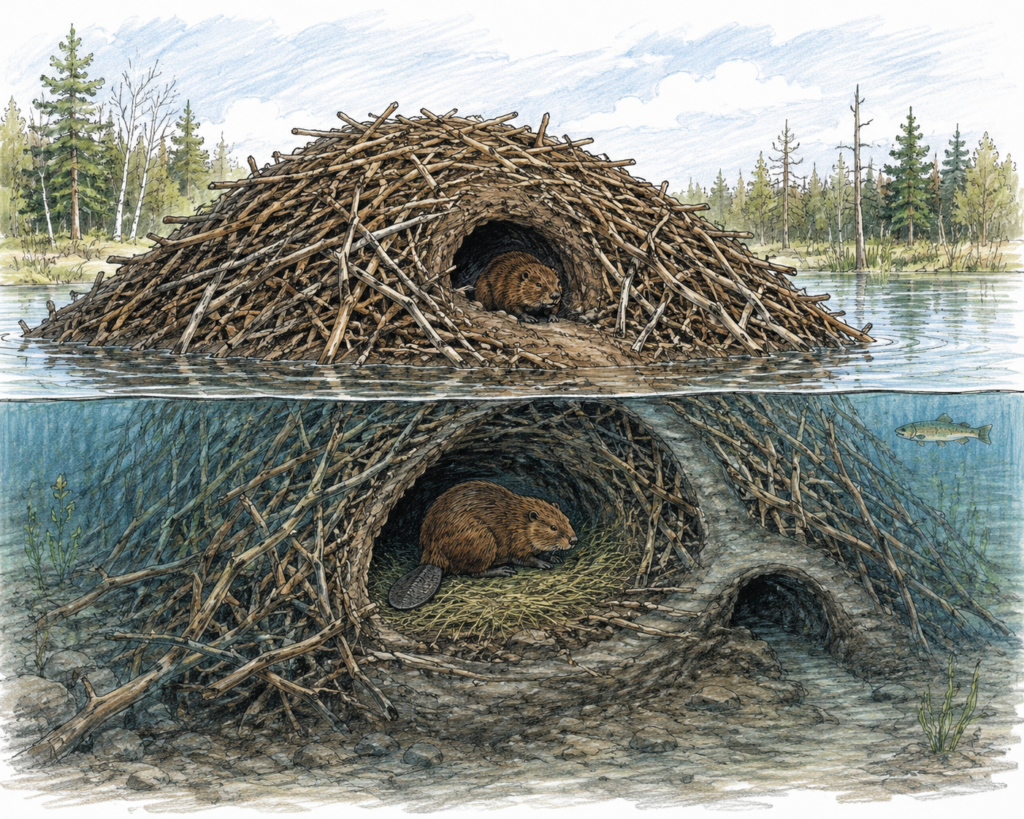
- A beaver dam in Canada stretches over 850 meters (2,790 feet), making it one of the largest animal-built structures on Earth.
- A beaver dam can be seen from space.
2. Termite
Termites construct enormous mounds that can reach heights of over 8 meters (26 feet). These structures contain complex ventilation systems that maintain stable temperatures inside despite extreme outdoor conditions.
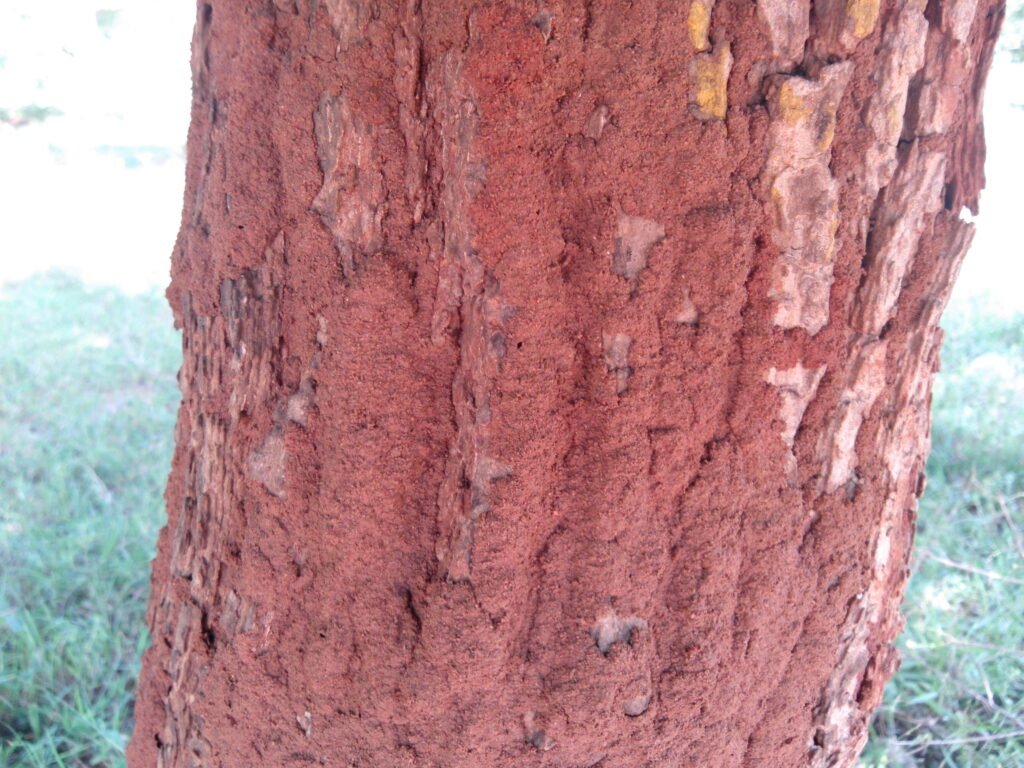
Some termite mounds function like natural air-conditioning systems.
3. Weaver Bird
Weaver birds create some of the most intricate nests in the animal kingdom. Males weave grass, leaves, and plant fibers into hanging nests suspended from tree branches.
Why the Entrance Points Downward
The downward tube serves several purposes:
- Makes entry difficult for predators.
- Helps protect eggs from rain.
- Reduces access by larger birds.
- Acts as a security checkpoint before reaching the nesting chamber.
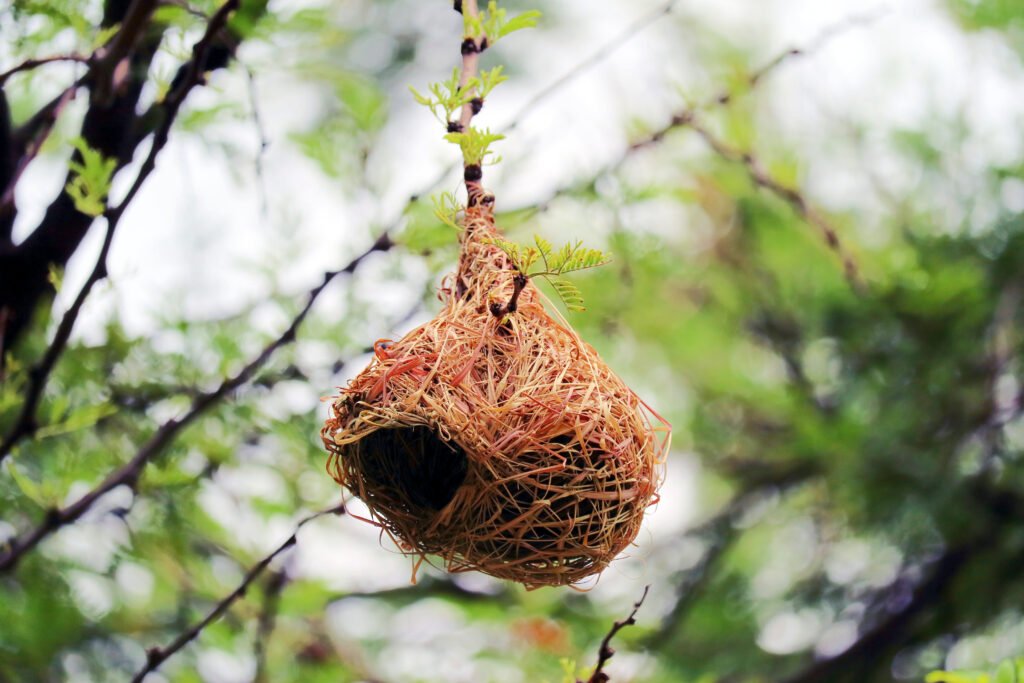
This design is one reason weaver nests are considered masterpieces of avian engineering.
- A male may build several nests to attract a mate.
- Female weavers inspect nest quality before choosing a mate.
4. Prairie Dog
Prairie dogs live in extensive underground tunnel systems known as “towns.” These burrows contain sleeping chambers, nurseries, and escape routes.
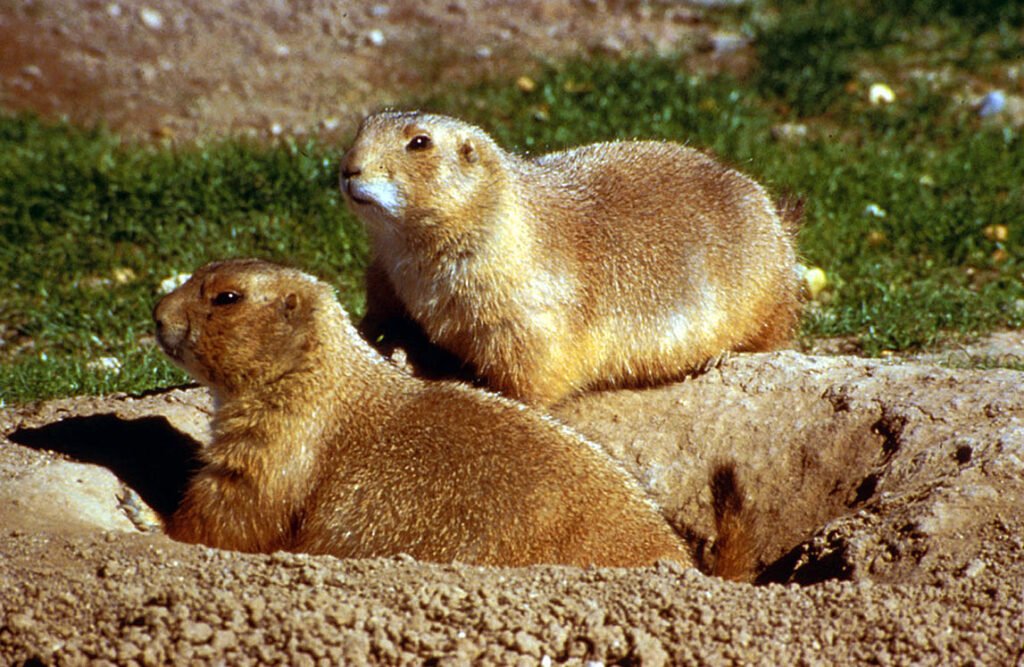
Some prairie dog colonies cover hundreds of acres.
5. Spider
Spiders build webs that serve as both homes and hunting tools. Different species create orb-shaped, funnel-shaped, or sheet-like webs depending on their hunting strategy.
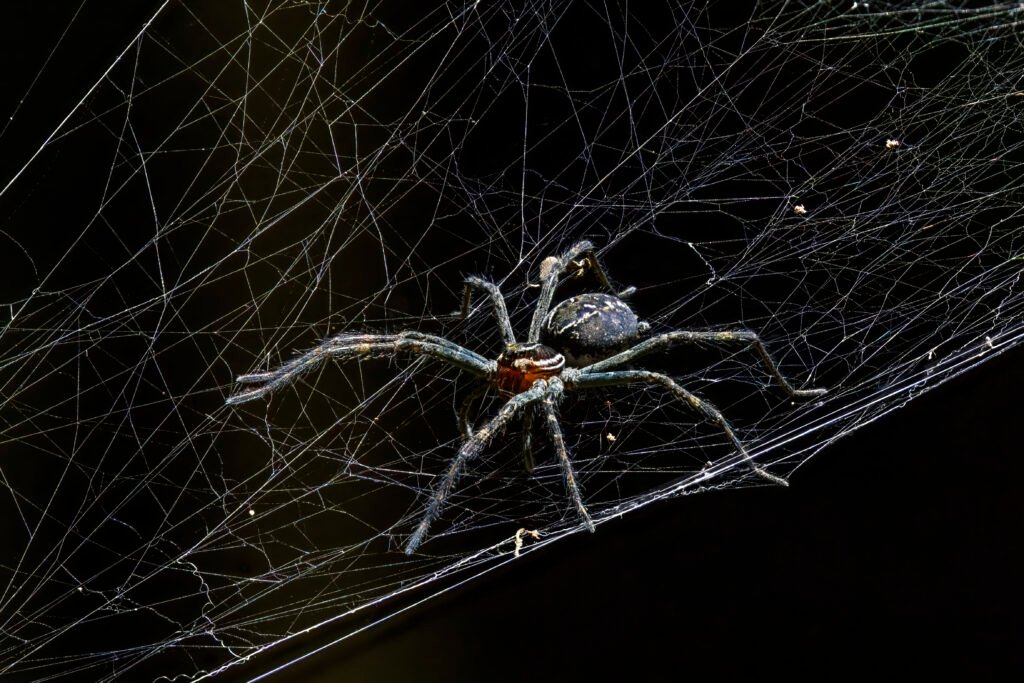
Spider silk is stronger than steel of the same thickness.
6. Honeybee
Honeybees construct hexagonal honeycomb structures inside hives using wax produced by their bodies. These combs store honey, pollen, and developing larvae.
Why hexagons?
The famous hexagonal cells:
- Use less wax than other shapes.
- Store the maximum amount of honey and brood.
- Fit together without gaps.
- Provide excellent strength.
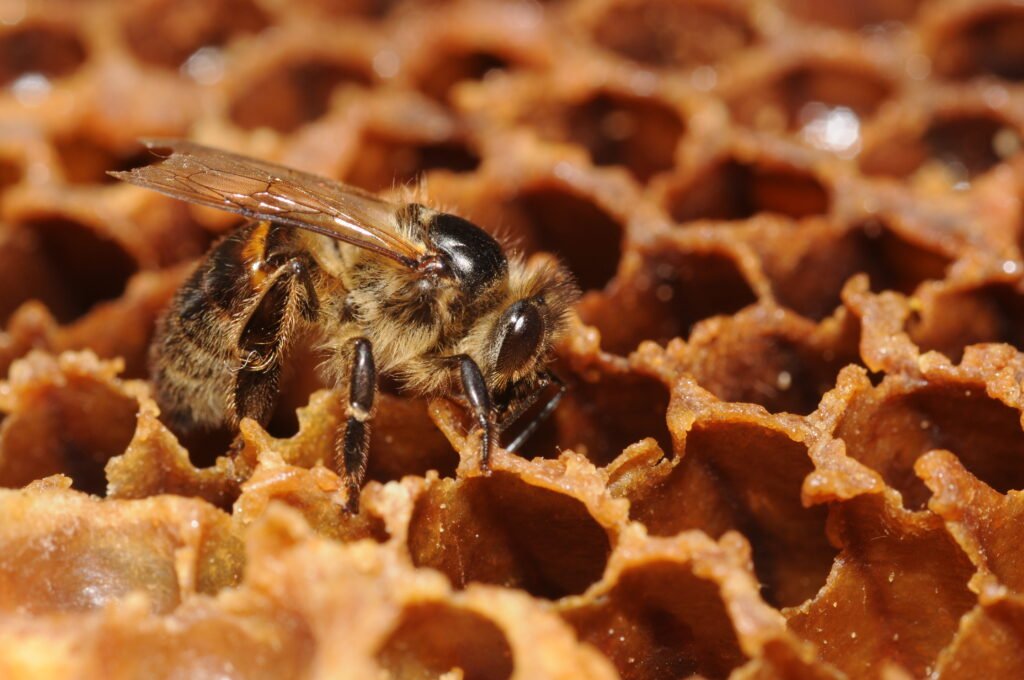
The hexagonal shape maximizes storage while minimizing wax usage.
7. Ant
Ants build underground colonies featuring interconnected tunnels and chambers. Some species also construct above-ground nests using leaves, soil, and plant materials.
Many ant nests are designed to:
- Maintain stable temperatures
- Control humidity
- Circulate fresh air
- Remove carbon dioxide
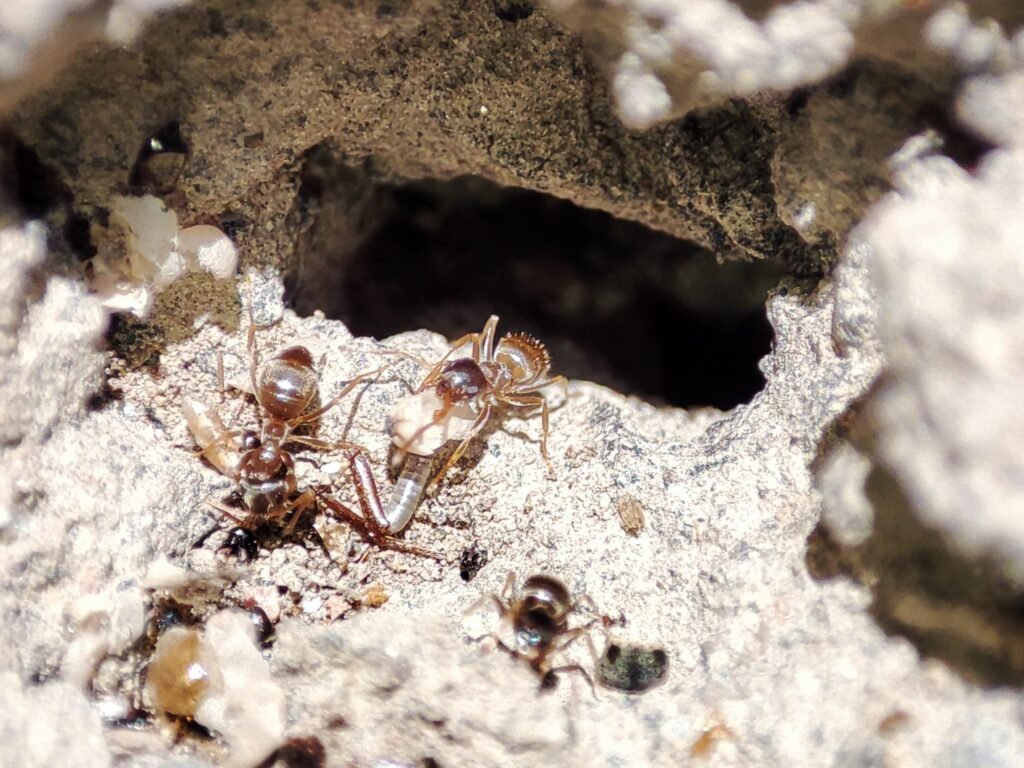
Leafcutter ants create underground fungus farms inside their nests.
8. Mole
Moles spend most of their lives underground, digging extensive tunnel networks with powerful front claws. Their burrows provide protection and access to food sources.
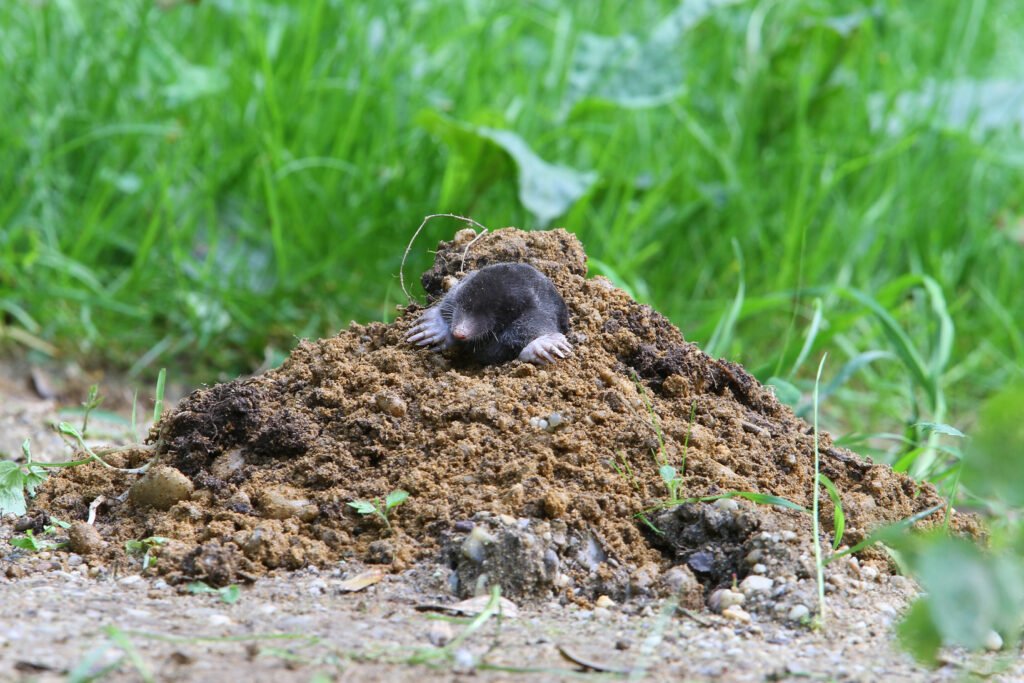
A mole can dig up to 18 feet (5.5 meters) of tunnel in a single hour.
9. Caddisfly Larva
These aquatic insects build protective cases using sand grains, small stones, twigs, and shells bound together with silk. These cases camouflage and protect them while they grow.
- The larva lives inside the case and only its head and legs protrude.
- It drags the case along the stream bed while feeding
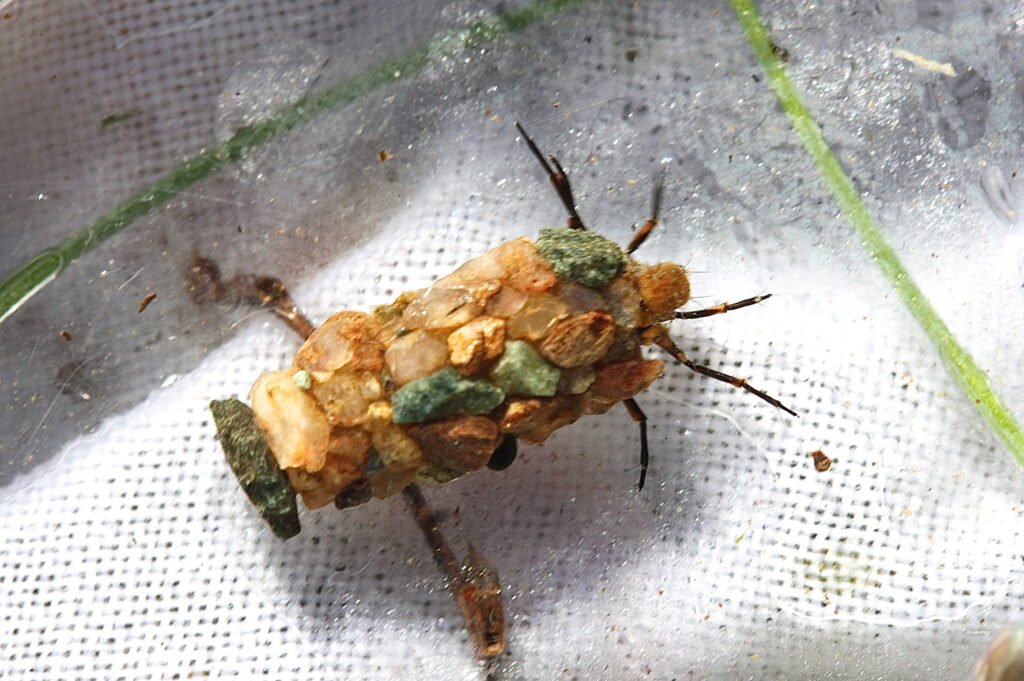
Each species creates a uniquely designed case.
10. Bowerbird
Unlike typical nests, male bowerbirds construct decorative structures called bowers to attract females. They adorn them with colorful objects such as flowers, berries, and feathers.
Unlike a nest, a bower is purely a courtship display. It is essentially an art gallery and performance stage.
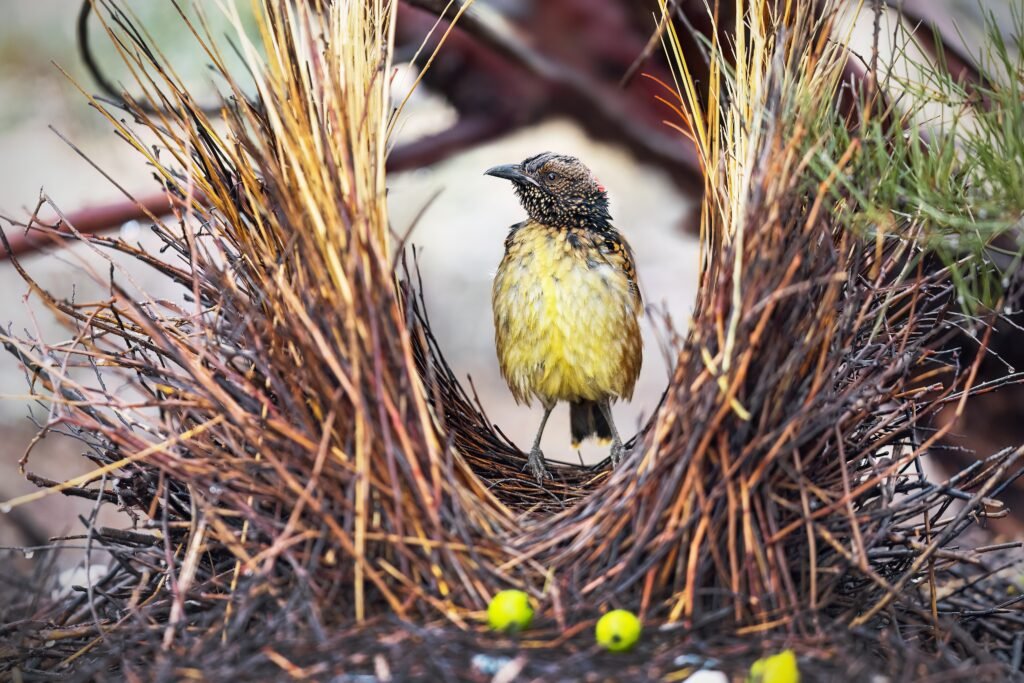
Some bowerbirds organize decorations by color.