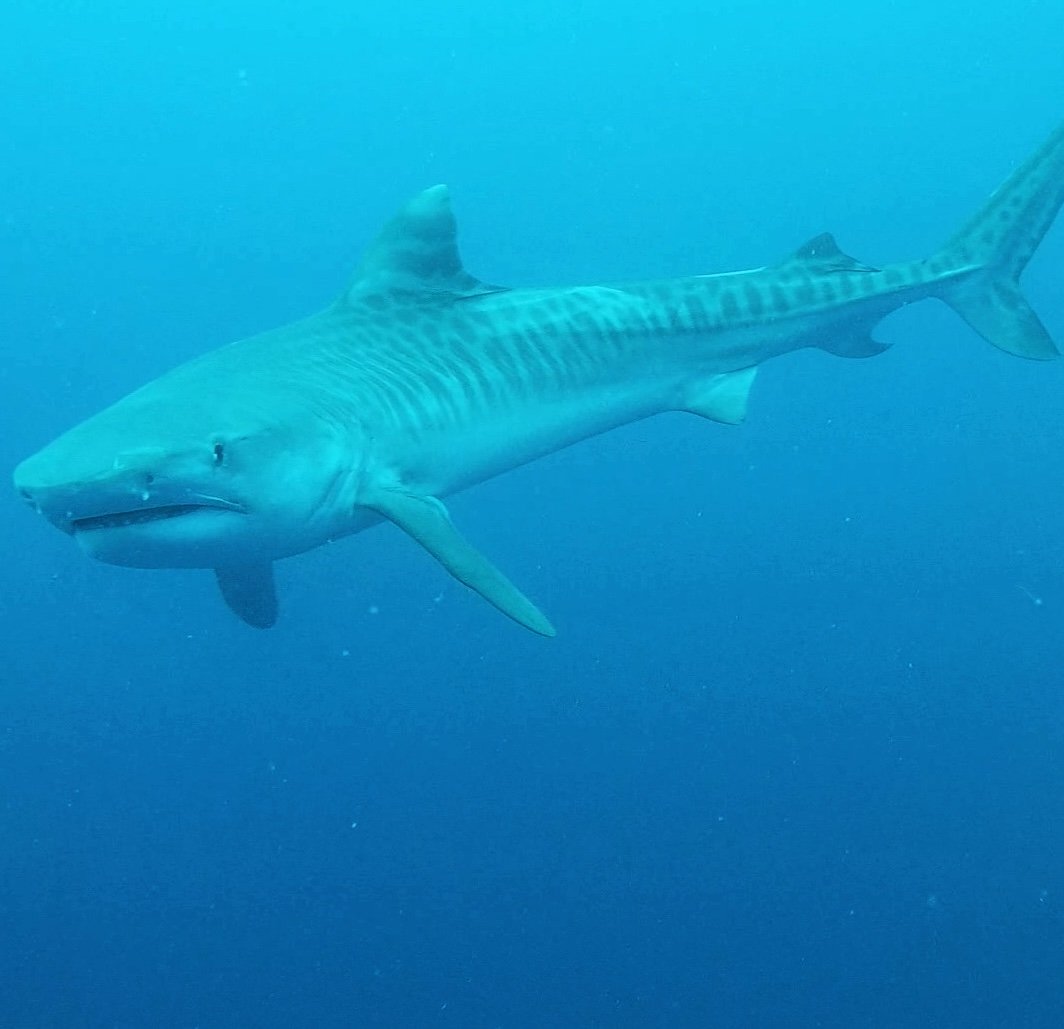
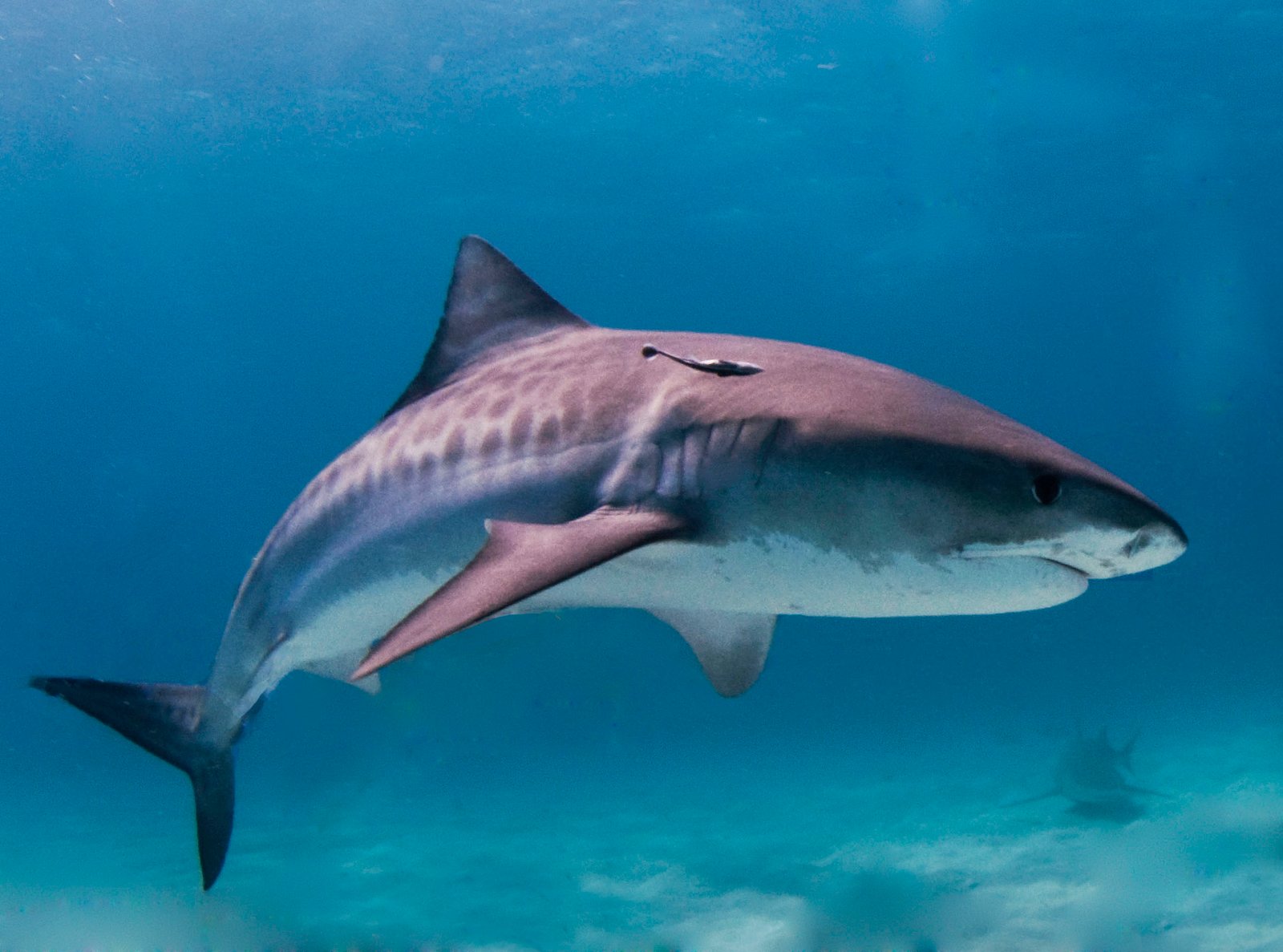
The Blue shark is one of the most widely distributed sharks in the world, found in temperate and tropical oceans across the globe. Known for its sleek body and beautiful deep blue color, this shark is perfectly adapted for life in the open ocean.
Blue sharks are fast, agile swimmers that spend most of their time far from the coast, hunting for fish and squid. Despite their sharp teeth and predatory nature, they are generally not considered dangerous to humans and are known for their calm behavior.
These sharks play an important role in maintaining the balance of marine ecosystems. However, like many shark species, they face threats from overfishing and are often caught as bycatch in commercial fishing. Blue sharks are commonly found in the Deep Sea habitat.
Diet
Blue sharks are carnivorous predators and mainly hunt in the open ocean.
- Main food: small fish (like anchovies, mackerel, hake) and squid
- Other prey: crustaceans, seabirds, and sometimes larger fish
- Scavenging: they also eat dead animals such as whale carcasses
- They are opportunistic feeders, meaning they eat whatever is available
In short: Mostly fish + squid, but they can eat a wide variety of marine life.
Lifespan
- Typically live around 15–20 years in the wild
- Some estimates suggest they may live up to about 20 years or slightly more
- In captivity, they usually live shorter lives because they need open ocean space
So, their lifespan is moderate compared to other sharks.
Key Features of the Blue Shark
Blue sharks have several interesting and unique features:
1. Distinct Blue Color
- Deep blue on top and white underneath (called countershading)
- Helps them camouflage in the ocean
2. Long-Distance Migrators
- Travel thousands of kilometers across oceans
- One of the most widely distributed sharks
3. Fast but Calm
- Usually slow and relaxed, but can swim very fast when hunting
4. Large Litters
- Give birth to 25–100+ pups at once, which is very high for sharks
5. Slim Body Shape
- Long, slender body with very long pectoral fins
- Built for efficient swimming in open water
Conclusion
The Blue shark is a remarkable ocean predator known for its graceful movement, striking blue color, and wide distribution across the world’s seas. With a varied diet, moderate lifespan, and unique adaptations for open-ocean life, this species plays an important role in maintaining marine balance.
Although generally not dangerous to humans, Blue sharks face serious threats from overfishing and bycatch. Understanding their behavior and importance helps us appreciate why protecting them is essential.
In simple terms, the Blue shark is not just a beautiful creature of the ocean and it is a vital part of a healthy marine ecosystem that deserves our attention and conservation efforts.