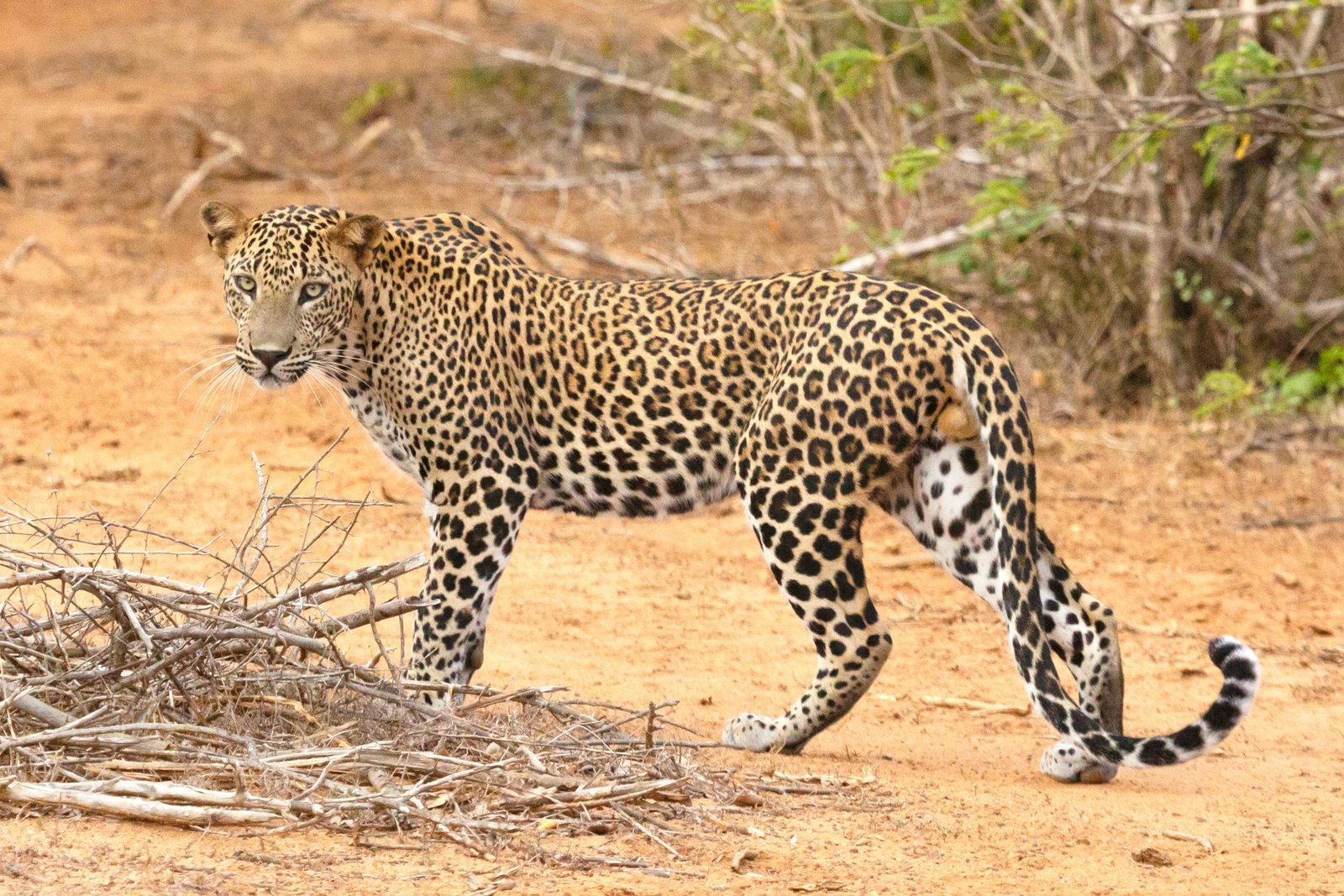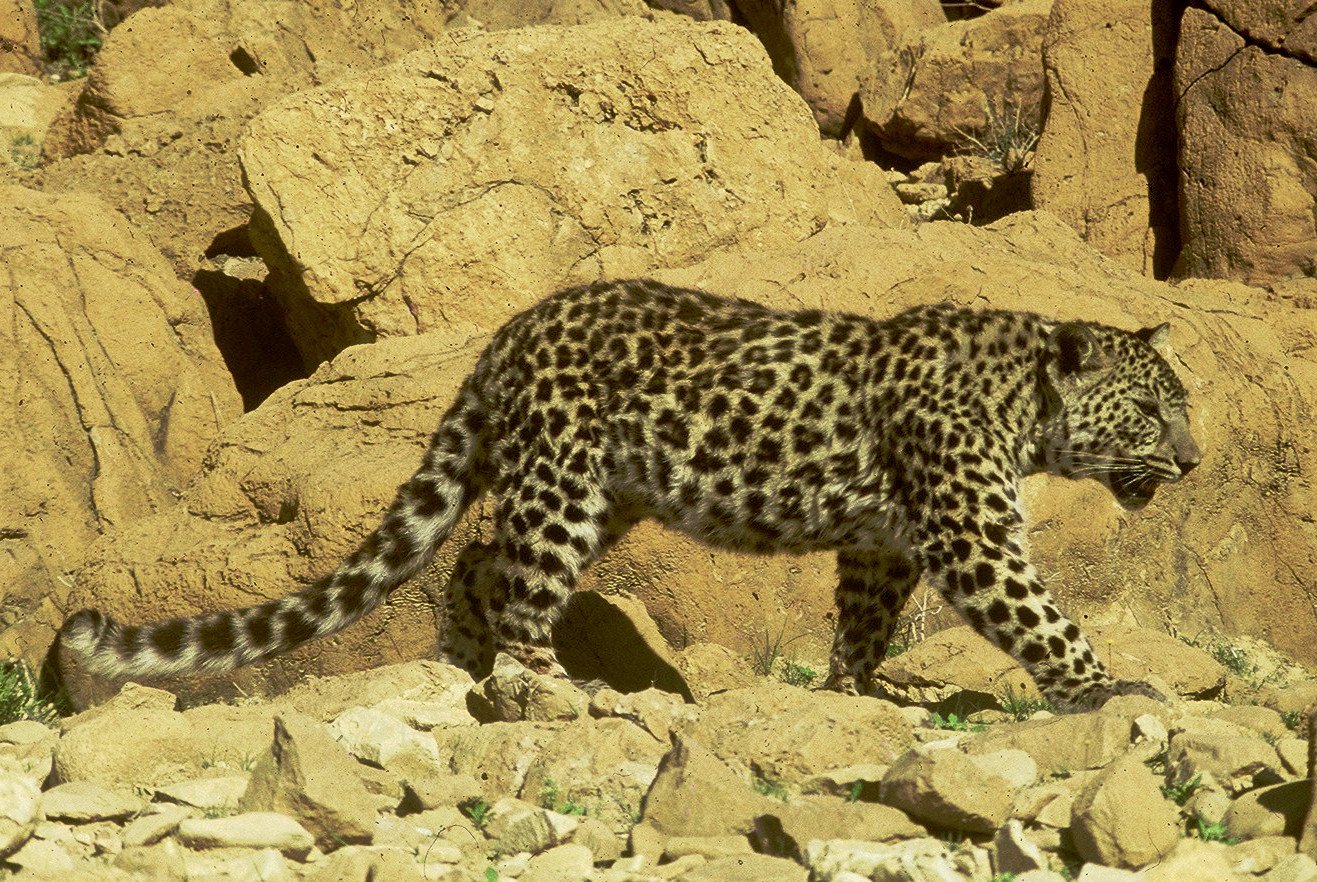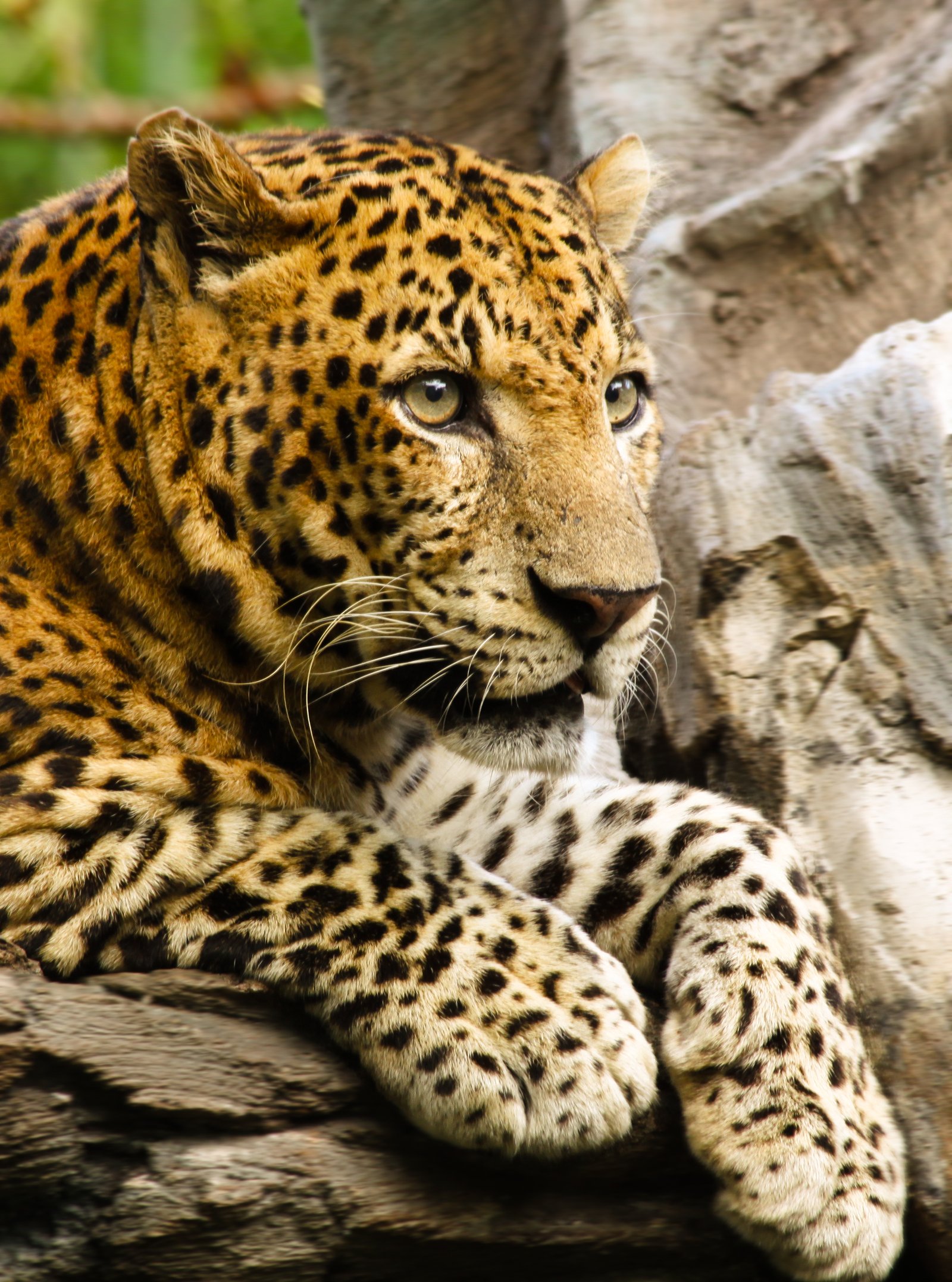
The Leopard is one of the most adaptable and powerful big cats in the world. Known for its spotted coat and stealthy hunting skills, this predator can survive in forests, grasslands, and even near human settlements. Leopards are solitary animals and are famous for their strength and ability to climb trees.
Diet (What Do Leopards Eat?)
Leopards are carnivores and have a very flexible diet.
- Deer and antelope
- Wild boar
- Monkeys and small mammals
- Birds and reptiles
They are opportunistic hunters, meaning they eat whatever prey is available in their habitat.
Hunting Techniques
Leopards are known for their stealth and patience.
- Use camouflage to blend into surroundings
- Stalk prey quietly before attacking
- Launch a short, powerful ambush
- Often drag prey into trees to protect it from other predators
Their ability to climb trees with prey is one of their most unique skills.
Speed
- Leopards can run at speeds of up to 55–60 km/h
- They rely more on stealth than speed, unlike the Cheetah
- Their strength and agility make them excellent climbers
Lifespan
- Wild: 12–17 years
- Captivity: Up to 20+ years
Lifespan depends on factors like habitat, food availability, and threats.
Behavior
Leopards have fascinating behavioral traits:
- Mostly solitary animals
- Active during night (nocturnal)
- Highly territorial
- Communicate through scent markings and sounds
- Excellent swimmers and climbers
Key Features
- Spotted coat for camouflage
- Strong jaws and powerful body
- Exceptional climbing ability
- Wide habitat adaptability
Conservation Status
Leopards face several threats:
- Habitat loss
- Poaching
- Human-wildlife conflict
Conservation efforts are important to protect their populations.
Frequently Asked Questions
Can Leopards Survive in Deserts?
Yes, the Leopard is one of the few big cats that can survive in desert environments. Although they are more commonly found in forests and grasslands, some leopards have adapted to live in hot, dry regions with limited water and prey.
You can read more in detail here: Leopards Can Survive in Deserts
Conclusion
The Leopard is a powerful and adaptable predator known for its stealth, strength, and intelligence. From its diverse diet to its unique hunting techniques and behavior, the leopard plays a crucial role in maintaining ecosystem balance. Protecting this magnificent animal is essential for preserving wildlife diversity.