
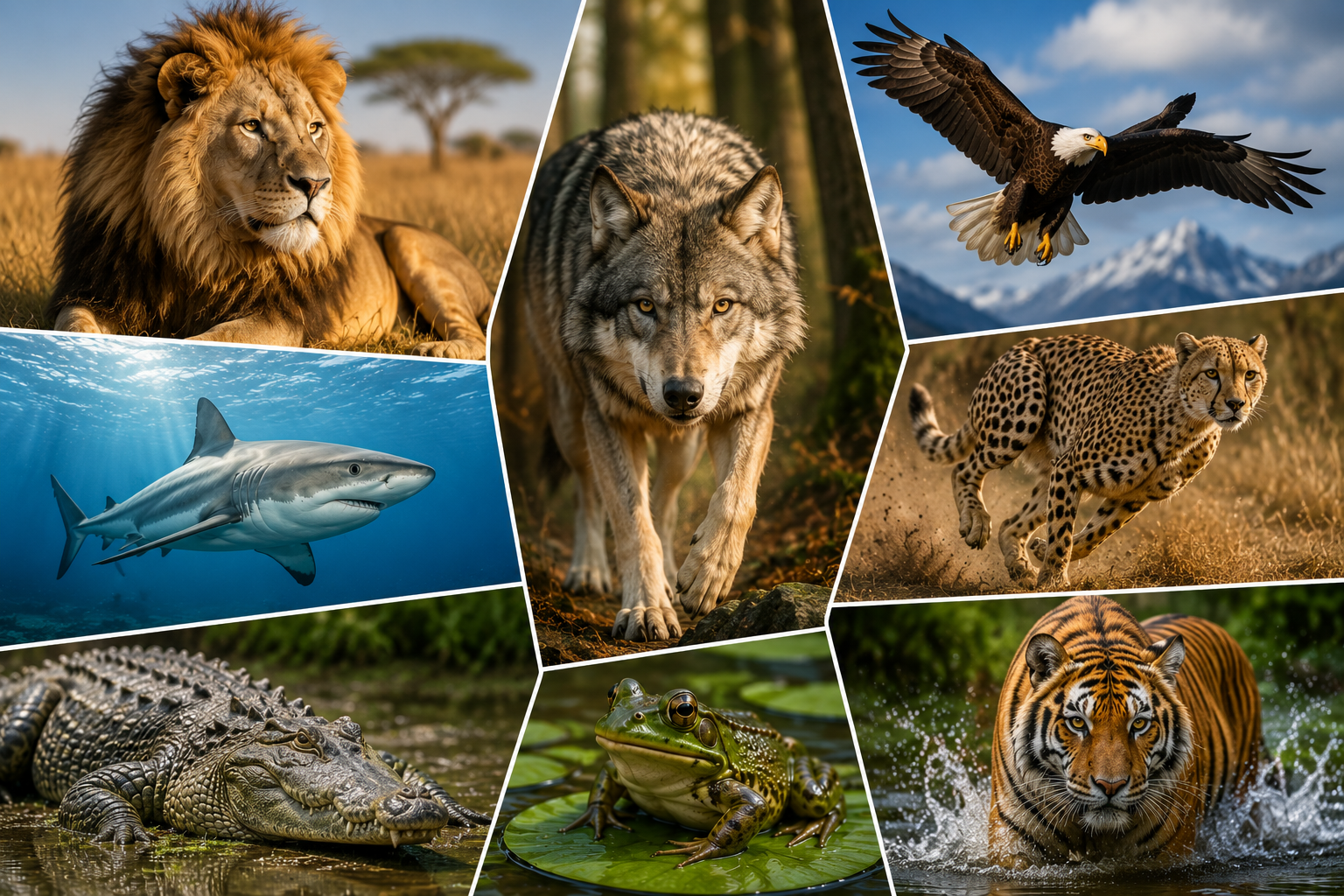
The American bullfrog is one of the most recognizable amphibians in North America. Known for its deep, booming call that resembles the sound of a bull, this large frog can be found in ponds, lakes, marshes, and slow-moving rivers. Its adaptability, impressive size, and voracious appetite have made it both a fascinating species and, in some regions, an invasive one.
Diets
American bullfrogs are opportunistic predators. Their diet includes:
- Insects
- Spiders
- Fish
- Small reptiles
- Other frogs
- Small birds and mammals
They use their sticky tongues and quick reflexes to capture prey.
Life Cycle
Like other amphibians, bullfrogs undergo metamorphosis:
- Eggs are laid in shallow water.
- Tadpoles hatch and spend up to two years developing.
- Tadpoles transform into froglets.
- Adults emerge and begin reproducing after reaching maturity.
- American Bullfrogs can live 7–10 years in the wild and even longer in captivity.
- A bullfrog's tongue is attached at the front of its mouth and can shoot out rapidly to catch prey.
- American Bullfrogs are powerful jumpers and can leap distances of over 6 feet (1.8 meters) in a single jump.
Conclusion
The American bullfrog is a remarkable amphibian known for its size, adaptability, and distinctive call. Whether admired as a native species or managed as an invasive one, it remains one of the most studied and recognizable frogs on the planet.