
Introduction
Seabirds play an important role in many ecosystems, but few people realize they also helped shape ancient human civilizations. Recent research shows that seabird droppings, known as guano, played a major role in the Rise of the Chincha Kingdom in ancient Peru, contributing significantly to its agricultural success, economic growth, and overall prosperity.
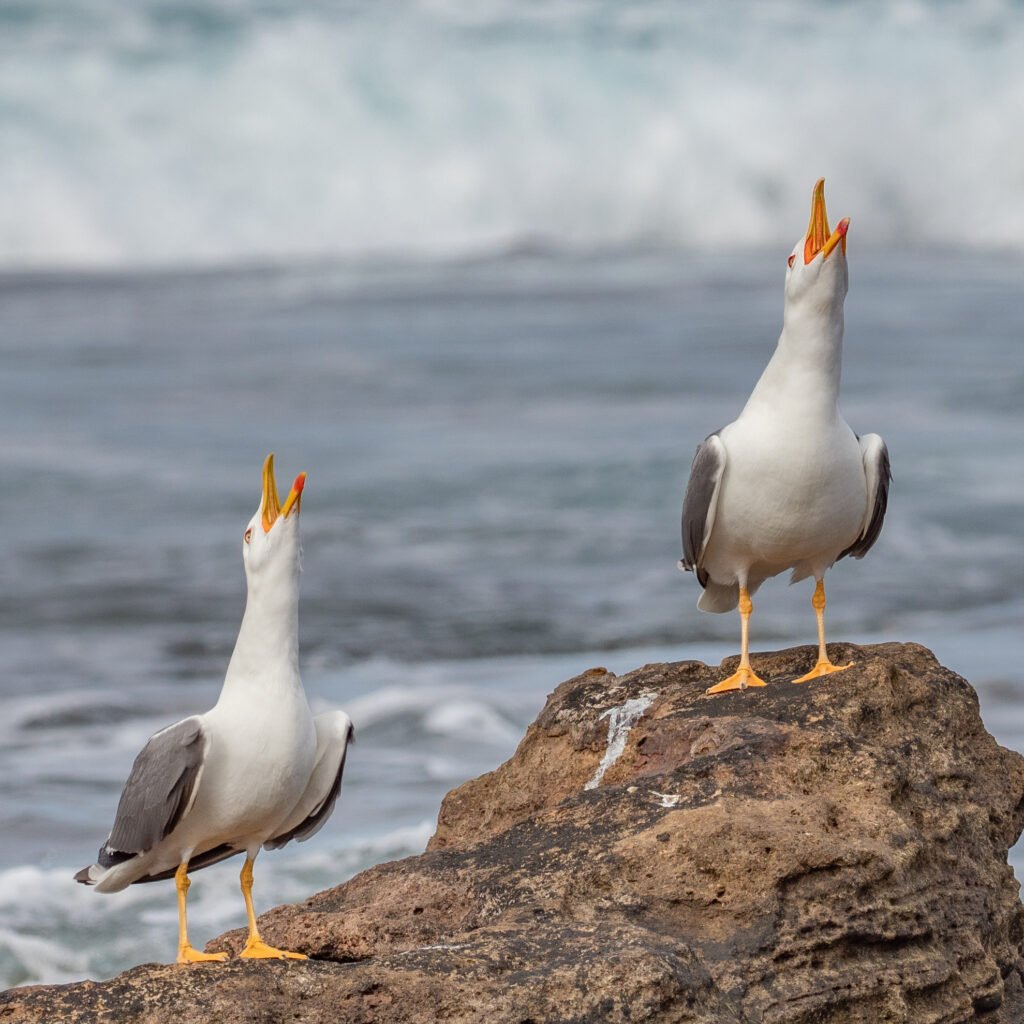
What Is Guano and Why Is It Important?
Guano is the accumulated droppings of seabirds, bats, or seals, often found in large deposits on islands, coastal cliffs, or inside caves. It is extremely rich in nutrients such as
- Nitrogen
- Potassium
- Phosphorus
These are nutrients make guano one of the most powerful natural fertilizers in the world.
Seabirds feed on fish and other marine organisms, which makes their droppings particularly rich in nitrogen. These are considered a key nutrient for plant growth.
The Chincha Kingdom: A Powerful Pre-Inca Civilization
The Chincha Kingdom was located along the coastal valleys of present-day Peru. At its peak, the society supported a population of around 100000 people and became a major trading power along the Pacific coast.
Recent researches now believes that their success was closely tied to the use of seabird guano to fertilize crops.
Scientific Evidence From Ancient Corn
To understand how ancient farmers cultivated crops in such a dry region, researchers analyzed 35 ancient maize samples recovered from burial sites in the Chincha Valley.
The results were surprising:
- The maize showed extremely high nitrogen levels.
- These levels were far higher than the natural soil could produce.
- The evidence strongly indicates that farmers used seabird guano fertilizer.
This discovery suggests that Chincha farmers actively collected guano from nearby islands and applied it to their crops
Farming in One of the Driest Places on Earth
Peru’s coastal desert is one of the driest environments on Earth, making agriculture extremely challenging.
However, the Chincha people developed an ingenious solution:
- They traveled by raft to nearby islands.
- They collected guano from large seabird colonies.
- They transported it back to fertilize their maize fields.
The result was a dramatic increase in crop yields, allowing farmers to grow large quantities of corn.
Why Corn Was So Important
Corn (maize) was one of the most important crops in ancient American civilizations.
Large maize harvests allowed the Chincha people to:
- Feed large populations
- Produce surplus food
- Support merchants and traders
- Expand regional influence
Agricultural abundance also helped strengthen their trade networks across the Andes and along the Pacific coast.
Influence on the Inca Empire
The powerful Inca Empire later formed strategic relationships with the Chincha people.
Why?
Because guano-fertilized maize production made the Chincha region extremely valuable. The Incas relied heavily on maize for food and ceremonial drinks like chicha.
Access to guano fertilizer helped strengthen diplomatic and economic relationships between the two societies.
Ancient Ecological Wisdom
Researchers believe the Chincha Kingdom thrived not just because of resources, but because of their deep ecological knowledge.
They understood the natural cycle linking:
- Marine ecosystems
- Seabird colonies
- Soil fertility
- Agricultural productivity
By managing this system carefully, they transformed a harsh desert landscape into a thriving agricultural region.
Conclusion
The rise of the Chincha Kingdom demonstrates that even something as ordinary as bird droppings can shape the course of history.
Seabird guano provided the fertilizer needed to grow abundant maize crops, fueling population growth, trade, and political power in ancient Peru.
This discovery highlights how animals and natural ecosystems have played a crucial role in human civilization throughout history.